Ghana Card a catalyst for financial inclusion — MobileMoney Ltd’s Abdul Razak Issaka Ali
Date: 2025-10-13
Chief Commercial Operations Officer of MobileMoney Ltd (MML), Abdul Razak Issaka Ali, has commended the Government of Ghana for the successful implementation of the Ghana Card, describing it as a major enabler of financial inclusion and digital identity integration.
According
to him, the national identification system has significantly improved access to
financial services by providing a unified and verifiable identity framework,
which has become critical for expanding digital financial services across the
country.
“The
Ghana Card has helped in financial inclusion in terms of national
identification, and that is something the government should be commended for,” Mr. Ali stated. He noted that the
initiative has created a foundation for seamless verification, customer
onboarding, and Know Your Customer (KYC) compliance, all of which are vital for
the growth of digital finance and mobile money operations.

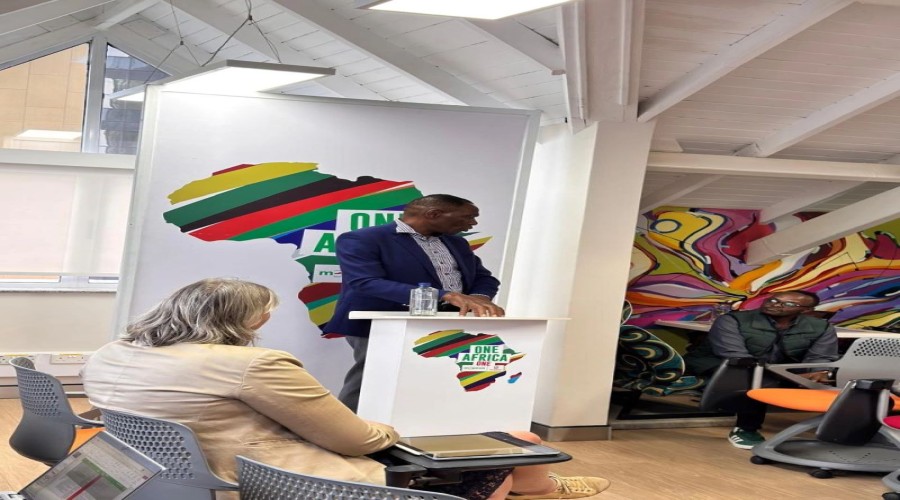
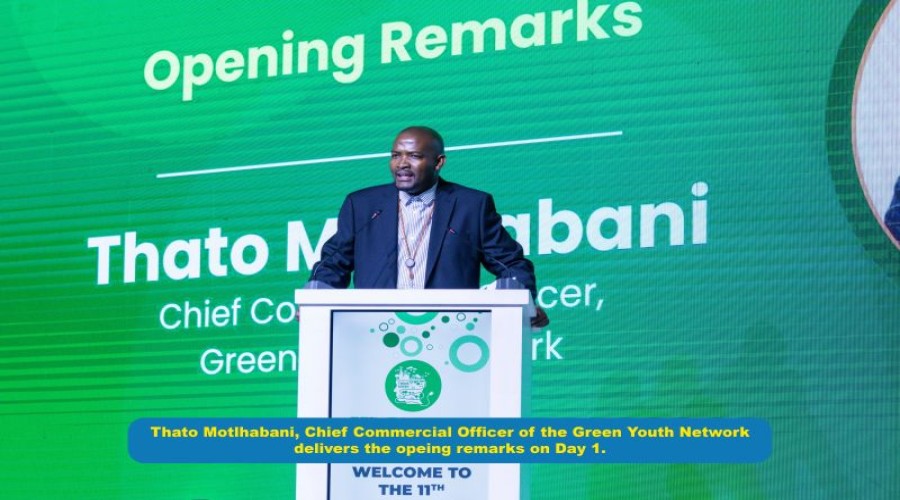
Speaking
at a high-level panel discussion on the theme “From Exclusion to Inclusion –
DPI and Inclusive Development in Africa” during a conference organized by the
Media Foundation for West Africa (MFWA) on Journalism and Digital Public
Infrastructure, Mr. Ali emphasized that the integration of digital identity
with financial systems is a transformative step toward achieving inclusion and
transparency.
He,
however, noted that while the Ghana Card has laid a solid groundwork, more
needs to be done to fully unlock the potential of digital public goods across
Ghana and the West African sub-region. He stressed that for countries to fully
benefit from digital infrastructure such as digital identity, payments, and
data-sharing frameworks, regulatory flexibility and strong public-private
collaboration must be strengthened.
Mr.
Ali explained that overly rigid or slow-moving regulatory systems could stifle
innovation in the fintech ecosystem and delay progress toward regional
financial integration. “For Ghana and the sub-region to fully benefit from
digital public goods, regulatory flexibility and public-private collaboration
must be strengthened,” he said.

He
added that Ghana’s fintech ecosystem, which has evolved rapidly in recent
years, can serve as a model for regional financial inclusion if policymakers
and regulators provide a predictable and supportive environment that allows
innovation to thrive.
Industry
players, he noted, remain optimistic that with continued collaboration between
the public and private sectors, Ghana can position itself as a digital finance
hub connecting the West African sub-region through interoperable systems and
inclusive financial services.
By:
Nana Appiah Acquaye