Ghana launches national roadmap to strengthen Early Warning Systems
Date: 2025-09-26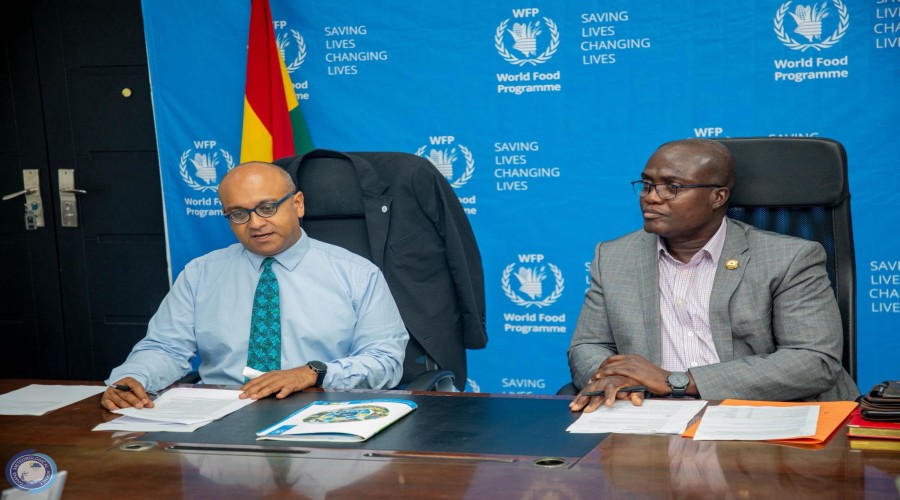
Ghana has launched a national roadmap to expand early warning systems aimed at protecting citizens from disasters before they occur.
The Early Warning for All
(EW4All) Roadmap was formally handed over to the National Centre for the
Coordination of Early Warning and Response Mechanism (NCCRM) at a leadership
sensitization forum held at the World Food Programme (WFP) office in Accra.
The initiative aligns with
the UN Secretary-General’s target for universal early warning coverage by 2027.
UN Resident Coordinator in Ghana, Zia Choudhry, said the roadmap was an
“investment in lives, livelihoods, and resilience,” recalling how simple alert
systems once saved tens of thousands of lives during cyclones in Bangladesh.

NCCRM, which operates under
the Office of the President, pledged to drive implementation. “The real
measure of preparedness is not in how we respond after disasters strike, but in
how quickly we detect risks and act before they escalate,” said Colonel
Emmanuel Sampson, the Centre’s Coordinator.
The Ghana Meteorological
Agency (GMet), a key technical partner, highlighted its role in making
forecasts more accessible. Deputy Director-General Vivian Abla Kally said the
agency was strengthening capacity, engaging media, and working with communities
to ensure timely information delivery.
Closing the forum, Choudhry
cautioned against letting the roadmap “sit under the car seat,” urging active
implementation and stressing that “prevention pays.”
With the roadmap, Ghana
joins other countries working to achieve the global goal of ensuring every
person is protected by early warning systems by 2027.
By: Nana
Appiah Acquaye