In a landmark
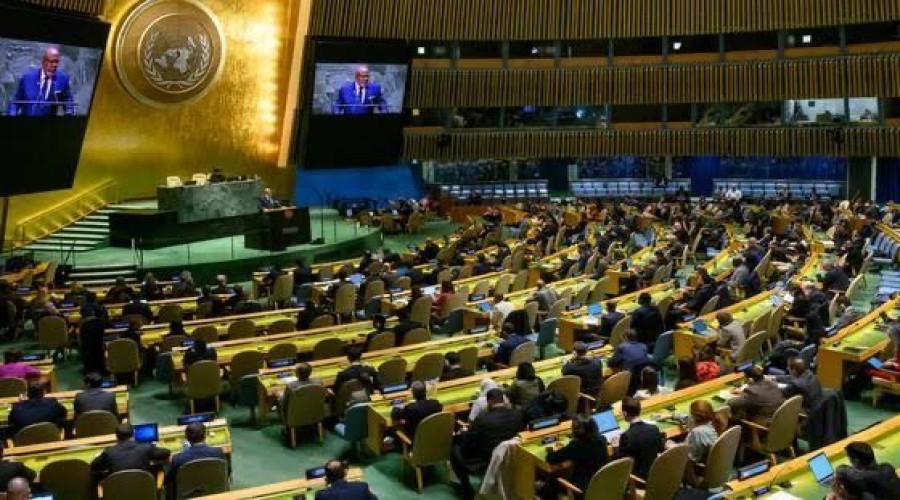
decision, all 193 member states of the United Nations have unanimously agreed
to establish two groundbreaking institutions for artificial intelligence
governance. The consensus follows six months of intensive negotiations and
represents a significant step toward international cooperation on AI regulation
and oversight.
The agreement
establishes an Independent Scientific Panel on AI that will provide
evidence-based assessments of artificial intelligence opportunities, risks, and
impacts. This body will synthesize global research and offer objective analysis
to inform policy decisions worldwide. Simultaneously, a Global Dialogue on AI
Governance will create a platform for stakeholders to strengthen international
cooperation and build trust in AI development and implementation.
Kenya played a
pivotal role in the negotiations, representing the Group of 77 and China, which
comprises 134 developing nations. The Kenyan delegation was tasked with
designing the initial institutional frameworks, building consensus within the
G77 bloc, and negotiating with the broader UN membership. Ambassador Philip
Thigo, Special Envoy on Technology for the President of Kenya, acknowledged the
outstanding leadership of the Kenyan mission in New York, particularly
recognizing Ambassador Ekitela and Tony Oweke for steering the complex
negotiations.
The two new
institutions are designed to function interdependently, with scientific
evidence informing policy discussions and multilateral dialogue translating
research findings into actionable global cooperation. This structure
acknowledges both the tremendous potential of artificial intelligence to
address global challenges and the significant risks that require coordinated
international oversight.
By: Nana Appiah Acquaye