
Namibia holds mobile satellite spectrum to expand connectivity
Date: 2025-08-23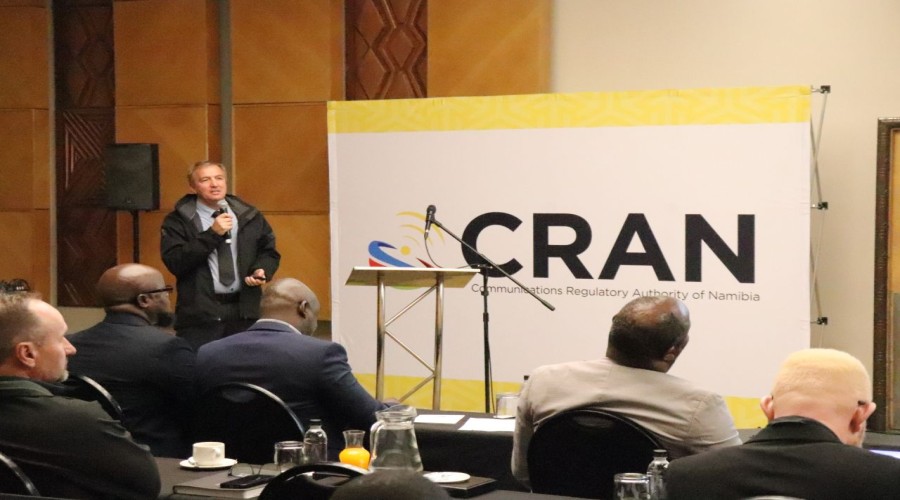
The Communications Regulatory Authority of Namibia has reached a significant milestone in the nation's telecommunications development through its recent Oral Public Hearing for Mobile Satellite Spectrum Applications. The proceedings marked a crucial step toward expanding connectivity across Namibia's vast and often remote landscapes using cutting-edge Low Earth Orbit satellite technology.
The hearing
brought together stakeholders to discuss the implementation of LEO satellite
constellations, including prominent systems such as Starlink, OneWeb, IRIS2,
and Amazon's Kuiper. These satellite networks, operating at altitudes between
500 and 2000 kilometers above Earth, promise to revolutionize connectivity in
Namibia by delivering reduced latency, comprehensive geographic coverage, and
real-time services to previously underserved regions.

CRAN's initiative represents a forward-thinking regulatory approach that balances innovation with responsible spectrum management. The authority emphasized its commitment to fostering technological advancement while ensuring efficient spectrum utilization, minimizing interference risks, and maintaining fair market competition. This careful equilibrium aims to create an environment where emerging technologies can thrive without compromising service quality or accessibility.
The public
hearing provided a platform for constructive dialogue between regulators,
service providers, and community representatives. These discussions focused on
how satellite technology can help achieve Namibia's broader digital inclusion
goals, particularly in reaching remote communities that have traditionally
faced connectivity challenges. The reduced latency offered by LEO satellites
makes them particularly suitable for real-time applications including
telemedicine, distance education, and emergency services.
By: Nana Appiah Acquaye