Africa’s space story is our story: why it should matter to every African
Date: 2025-08-11
Space is no longer a distant frontier reserved for global superpowers it is a stage where Africa is already making its mark, and where the stakes are high for every African, whether living in Lagos or London, Nairobi or New York. The African space industry is not about rockets for the sake of rockets. It is about satellites that connect rural classrooms to the world, data that helps farmers grow more food, navigation systems that keep communities safe during natural disasters, and space science that inspires our next generation of innovators.
Today,
over 20 African nations have active space programs, having launched a total of
67 satellites. Of these, 11 have been launched by commercial entities. The
journey began in 1998, when Egypt launched Nilesat-101, and most recently,
Botswana joined the ranks with the launch of BotSat-1 on 15 March 2025. These
achievements tell a story of ambition, resilience, and the growing recognition
that space technology is vital to our future.
The
African space industry is already valued at USD 22.64 billion and employs more
than 19,000 people across the continent. It is powered by over 318 NewSpace
companies and is on track for strong growth through 2026, driven by investments
in satellite manufacturing, infrastructure development, and a wave of
innovative African-led enterprises. But beyond the numbers lies the greater
truth: space is directly linked to development, economic growth, national
security, and environmental sustainability. A thriving African space sector
means better internet connectivity for the unconnected, precision agriculture
to combat hunger, and early-warning systems to save lives in times of floods,
droughts, and cyclones.

Regional African Satellite Communication Organisation (RASCOM) Director General, Timothy Adi Ashong with Uganda's State Minister in charge of ICT and National Guidance, Hon. Joyce Ssebugwawo
Collaboration is critical to realizing these benefits. The Regional African Satellite Communication Organisation (RASCOM) has been at the forefront of uniting African countries around a shared satellite vision, providing technology and infrastructure that especially benefit less endowed nations. By pooling resources and expertise, RASCOM has shown how continental cooperation can bridge the digital divide and ensure that no country is left behind in the space era.
Yet
collaboration must go hand in hand with entrepreneurship. At the 2025 NewSpace
Conference in Cairo, Dr. Tidiane Ouattara, President of the African Space
Agency, emphasized the pivotal role of start-ups in the space ecosystem. He
called for greater support in the form of resources, mentorship, and policy
frameworks to help these young companies thrive. These start-ups, often driven
by the creativity and determination of young Africans, are not only developing
solutions tailored to the continent’s challenges but are also creating jobs and
driving technological independence. Nurturing them is both an economic and
strategic imperative if Africa is to compete globally on its own terms.

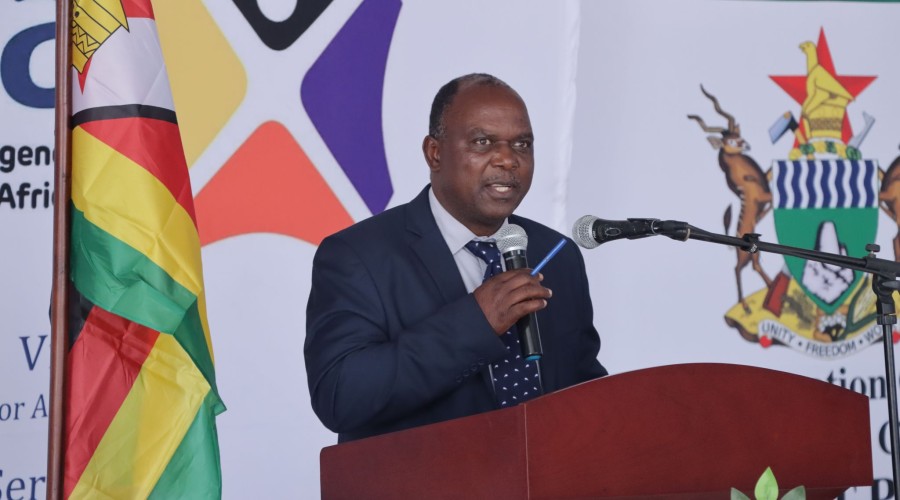
President of the African Space Agency, Dr. Tidiane Ouattara addressing delegates of 2025 NewSpace Conference in Cairo, Egypt
Africa’s
space journey must be anchored in a shared vision and collective action.
Governments should harmonize policies, share infrastructure, and collaborate on
joint missions. The private sector must be encouraged to innovate and expand
markets. Education systems need to integrate space science into learning to
inspire the next generation of African scientists and engineers. The diaspora,
with its global networks and expertise, has a vital role to play in bridging
knowledge gaps and accelerating progress.
The true
value of Africa’s space industry cannot be measured solely in billions of
dollars but in the lives it touches the farmer who plants with confidence
because satellite data predicts the rains, the student who discovers a passion
for science through a space program, the community that rebuilds faster after
disaster thanks to accurate space-based information.
Every African has a stake in this story. Space is not only about looking up at the stars it is about looking around us and building a better tomorrow. If we commit to inclusive growth, invest in capacity building, and focus on solving African challenges, our continent will not simply join the space race but will redefine it. Africa’s space future is already here. The question is whether we will all take part in shaping it.
By: Nana Appiah Acquaye