Mastercard unveils whitepaper on AI’s role in Africa’s inclusive growth
Date: 2025-08-07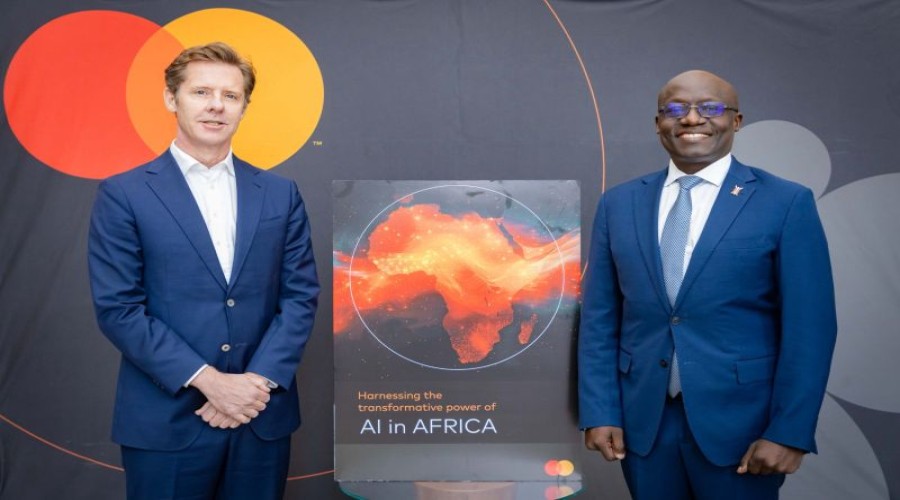
Mastercard has launched a new whitepaper titled "Harnessing the Transformative Power of AI in Africa." The document outlines a strategic roadmap for leveraging responsible and inclusive artificial intelligence to drive large-scale growth across the region.
With Africa’s AI market
projected to surge from $4.5 billion in 2025 to an estimated $16.5 billion by
2030, the moment for decisive action is now. At the heart of this opportunity
lies the continent’s youth, Africa's most powerful resource. With a median age
of just 19, young Africans are already shaping innovation across sectors with
their curiosity, entrepreneurial energy, and digital fluency.

But realizing the full
potential of this demographic dividend requires more than just enthusiasm. As
emphasized in the whitepaper, sustainable progress depends on the right blend
of infrastructure, policies, skills development, and cross-sector collaboration.
These efforts must be grounded in the local context and focused on long-term
inclusion.
For Mastercard, this isn’t a
theoretical commitment. The company is already working on the ground with
fintechs, startups, and other ecosystem players to deploy AI-powered tools that
enhance financial security and accessibility. From fraud detection in everyday
transactions to enabling digital identity solutions, Mastercard’s approach to
technology emphasizes responsible innovation anchored in trust.
Crucially, the whitepaper
argues that building an inclusive AI future for Africa must go hand in hand
with creating a trusted data ecosystem. Without it, the scalability and
efficacy of AI solutions will remain limited. Investment in infrastructure and
skills is no longer optional—it is urgent.

The President of Mastercard
Africa, Mark Elliott described the launch of the whitepaper as both a milestone
and a call to action. As he puts it, Africa is standing at a pivotal
crossroads, where the right partnerships and visionary policies can unlock
transformative growth for generations to come.
The report makes clear that
Africa’s digital future must be created with Africa, not just for
it. The time for action is now—and the responsibility is shared by all.
By: Nana
Appiah Acquaye