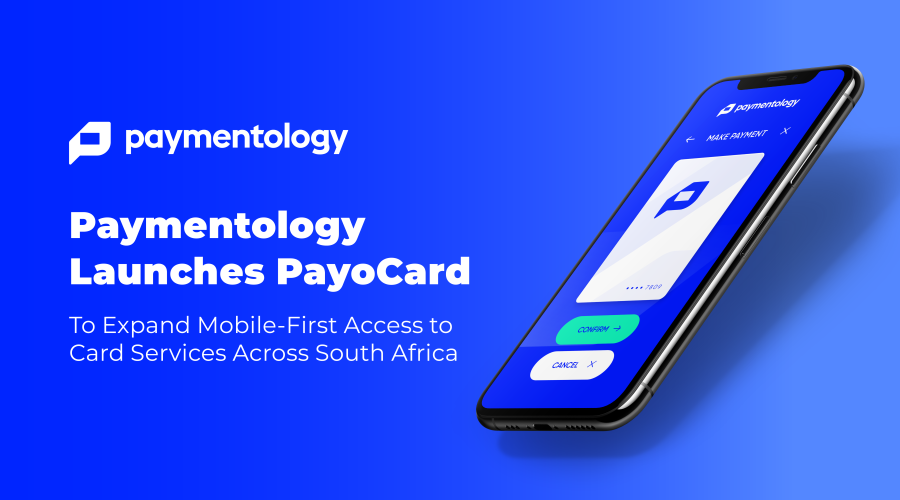
Paymentology, the leading global issuer-processor, has launched a
new mobile-first card management platform, PayoCard, to help digital banks and
fintechs in South Africa extend fast, secure, and intuitive card services to
their customers. This is the first digital card platform provided by a
processor in the region.
Delivering
responsive, mobile card services can be complex and costly for banks and
fintechs, often requiring heavy infrastructure and long development cycles.
PayoCard, powered by Paymentology’s cloud-first platform, simplifies that
process with a plug-and-play platform that allows issuers to rapidly offer
secure, self-managed card features, from real-time balance updates to PIN
resets, card freezes, and in-app support, all via a single mobile interface.
For
many South Africans, disbursement or loyalty cards are often the first formal
payment tool they receive. By giving users access to an intuitive app from day
one, PayoCard provides a clear, mobile-first path to financial services
adoption. It's simple to use, builds trust through digital familiarity, and
prepares cardholders to do more, from everyday transactions to managing more
advanced financial products in the future.
Shahez Shawana, Group Product Manager commented: “For many cardholders, accessing
basic card functions still means standing in a queue or waiting on hold, a far
cry from what a digital card experience should be. With PayoCard, we’re helping
digital banks and fintechs offer a truly mobile-first experience that gives
customers control, confidence, and convenience.”
For
banks and fintechs, PayoCard offers a faster path to market with reduced
complexity. It enables rapid rollout, simplifies integration with existing
systems, and ensures full PCI DSS compliance. Built-in self-service tools help
reduce pressure on support teams, lower operational costs, and allow issuers to
meet customer expectations with minimal lift.
For
cardholders, PayoCard redefines the everyday experience. Instead of relying on
ATMs or call centres, users can manage their cards directly from their phones,
instantly checking balances, updating settings, and accessing support whenever
they need it.
South
Africa’s card payments market is projected to reach $206.2
billion by 2029,
growing at a CAGR of 6.7%, creating significant opportunity for digital banks
and fintechs to scale access through smart, efficient infrastructure. With
91% of South Africans owning
a mobile phone and rising demand for real-time digital services, Paymentology’s
PayoCard solution gives issuers a fast, compliant, and mobile-first way to
connect with customers - directly through their devices.
The PayoCard launch follows Paymentology’s ongoing
expansion in South Africa, including the relocation of its regional
headquarters to Sandton, Johannesburg, and an expanding portfolio of local
partnerships. Founded in South Africa, Paymentology powers card programmes for
institutions including Standard Bank, Old Mutual Bank,Mukuru, Altech, Adumo,
Liberty Group, and Tyme.
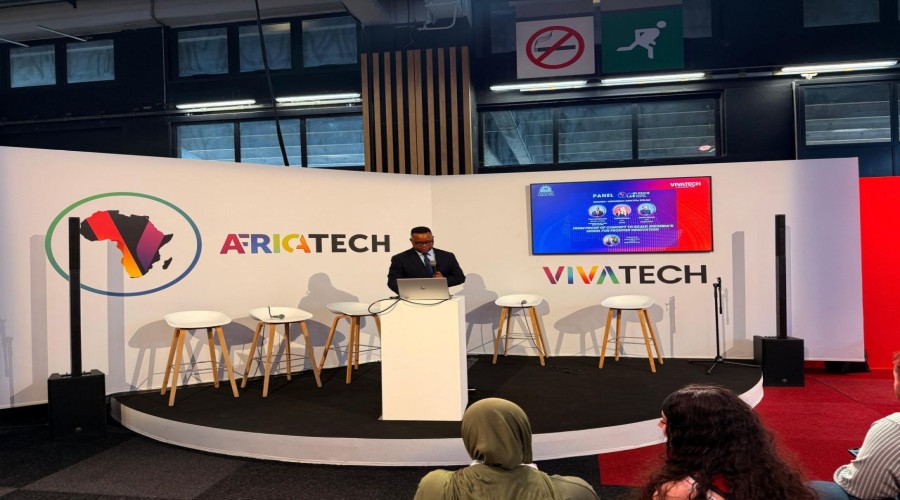
Earlier this year, Paymentology brought its global
roadshow to Cape Town, convening leaders from Old Mutual, Standard Bank,
Sticitt, and Shyft to explore how digital banks can design, launch, and scale
card programmes that align with mobile-first user behaviour.
Drisha Kirkman, Head of Programme Management and
Sustainability at Paymentology, added: “From our enhanced Johannesburg
base, we’re investing in the people, partnerships, and platforms that help our
clients succeed. Whether it’s through local roadshows or next-gen product
rollouts, such as PayoCard, our goal is to empower banks and fintechs to launch
impactful card programmes faster, and reach the customers who need them most.
We aim to set new standards for mobile-first payment experiences, ensuring that
both issuers and end-users benefit from smarter, more inclusive technology.”
Paymentology
also recently expanded its collaboration
with Mastercard,
as part of a shared commitment to increasing access to digital payments in
South Africa. Through this partnership, the two companies are enabling banks,
fintechs, and retailers to issue fully compliant physical and virtual cards at
speed, particularly in underserved communities.