Abidjan symposium charts path for impact-driven African research
Date: 2025-07-29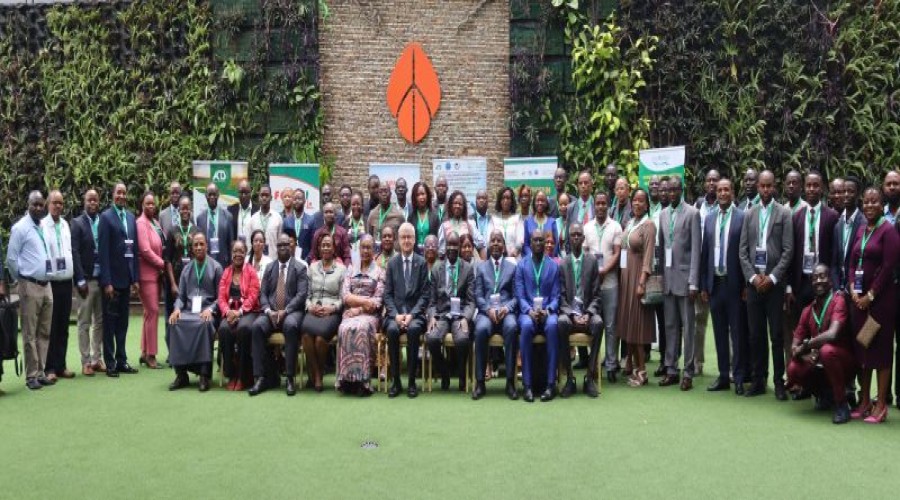
The African Centre for Technology Studies (ACTS) and Fonds pour la Science, la Technologie et l'Innovation (FONSTI) have convened the Second Annual Research and Innovation Management Symposium, bringing together science leaders from 17 African nations to strengthen research governance across the continent.
The July 2025
gathering marks a pivotal review of the Research and Innovation Management
(RIM) Project's progress since its 2023 launch. Supported by the Science
Granting Councils Initiative, the project empowers national research funding
bodies to enhance grant administration, promote gender equity, and ensure
studies address pressing development challenges.

FONSTI
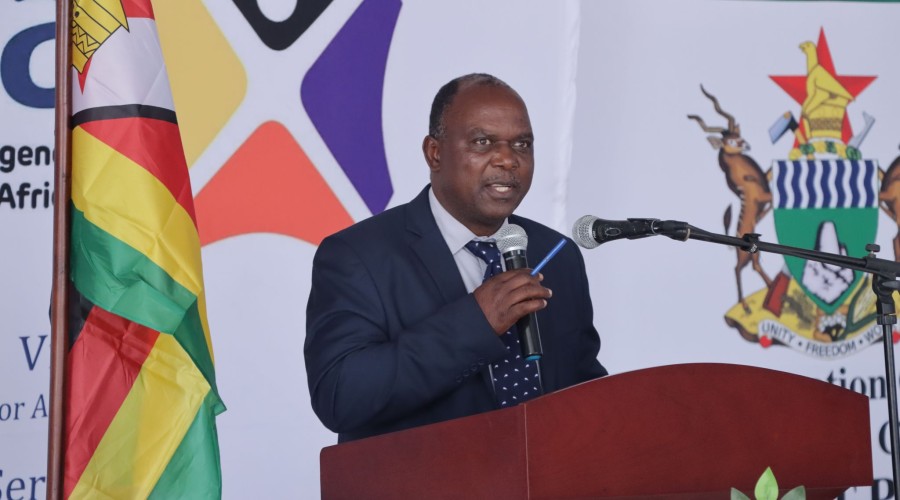
Secretary General, Dr. Yaya Sangaré opened proceedings alongside consortium
leaders Professor Tom Ogada (ACTS) and Professor Almamy Konté (UCAD). In his
keynote, Université de San Pedro Vice President, Professor Jeremie T. Zoueu
challenged participants to anchor research in community needs: "Our
laboratories must maintain dialogue with farmers' fields and policymakers'
offices."
The inaugural
sessions examined two urgent priorities: climate-resilient agriculture led by
Malawi's National Commission for Science and Technology, and inclusive research
systems guided by Tanzania's Commission for Science and Technology.
"Africa
spends $4 billion annually importing food while possessing 65% of the world's
uncultivated arable land," noted one
panelist, highlighting the symposium's focus on translating research into food
security solutions. Parallel discussions addressed systemic barriers facing
women researchers and strategies to elevate indigenous knowledge in global
science.

With the RIM
Project supporting 17 Science Granting Councils through 2025, the Abidjan
meeting aims to crystallize best practices for research that bridges academic
excellence and societal impact ensuring African innovation systems deliver
tangible progress toward the Sustainable Development Goals.
By: Nana Appiah Acquaye