South Africa and Germany strengthen biomanufacturing partnership to boost local vaccine production
Date: 2025-07-24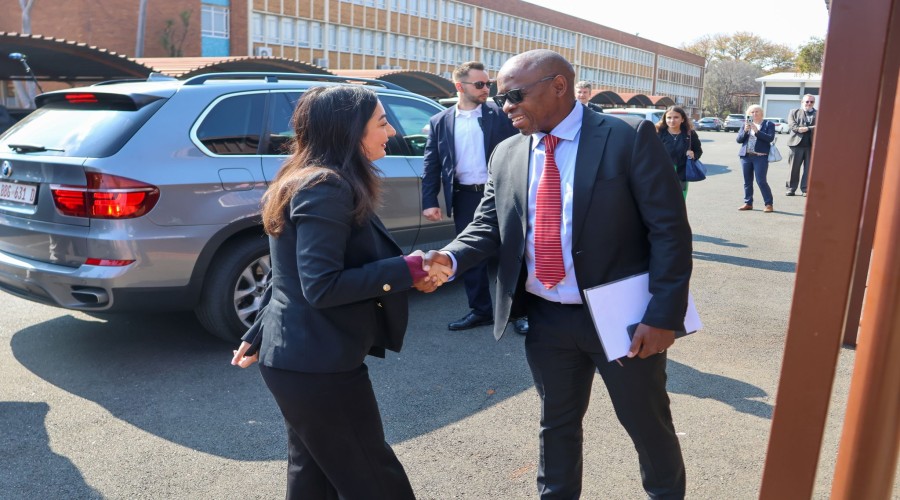
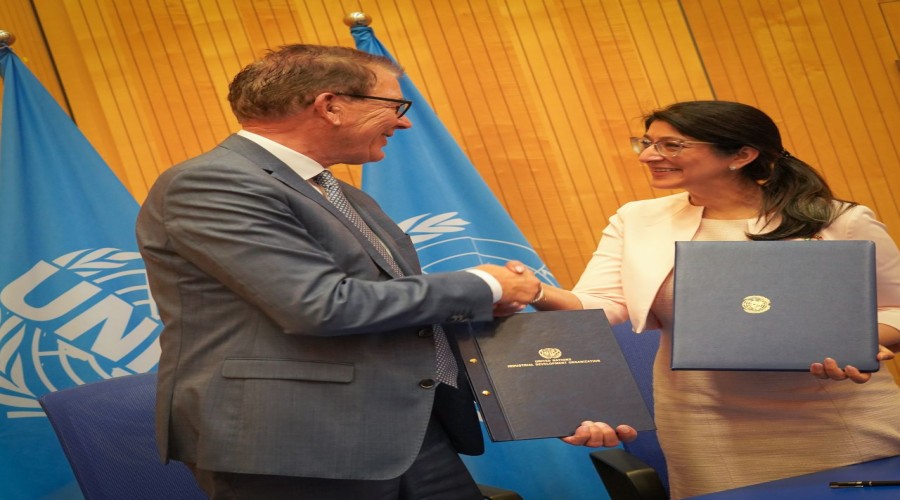
The Department of Science, Technology, and Innovation (DSTI) and the Council for Scientific and Industrial Research (CSIR) has hosted Germany’s Federal Minister for Economic Cooperation and Development, Reem Alabali-Radovan, to reinforce bilateral efforts in biomanufacturing and vaccine production. The visit highlighted South Africa’s commitment to addressing critical gaps in pharmaceutical self-sufficiency, particularly in the wake of the COVID-19 pandemic.

The meeting,
attended by DSTI Director-General Dr. Mlungisi Cele and CSIR CEO Dr. Thulani
Dlamini, noted the urgent need to strengthen local vaccine manufacturing
capabilities. Despite South Africa’s leadership in pharmaceutical production on
the continent, challenges such as reliance on imported Active Pharmaceutical
Ingredients (APIs) and a shortage of skilled professionals remain major
obstacles.
To tackle these
issues, South Africa has launched strategic initiatives, including the DSTI’s
Decadal Plan and the CSIR’s Biomanufacturing Workforce Training Hub, which aims
to train 400 candidates annually in Good Manufacturing Practice (GMP)
standards. These efforts are designed to build a skilled workforce capable of
supporting a robust local biomanufacturing industry.
International
partnerships play a crucial role in this mission. Germany, through institutions
like GIZ and KfW, along with support from the Bill & Melinda Gates
Foundation, has committed substantial investments to bolster South Africa’s
capacity. This collaboration aligns with the African Union’s ambitious target
of producing 60% of the continent’s vaccines locally by 2040.

Minister Alabali-Radovan’s visit underscores the shared vision of South Africa and Germany in fostering equitable access to vaccines and strengthening health resilience. By combining expertise, funding, and innovation, this partnership not only enhances South Africa’s biomanufacturing capabilities but also positions the country as a key player in Africa’s journey toward pharmaceutical independence and global health security.
By: Nana Appiah Acquaye