SADC urged to harness radio spectrum for inclusive digital growth
Date: 2025-07-21
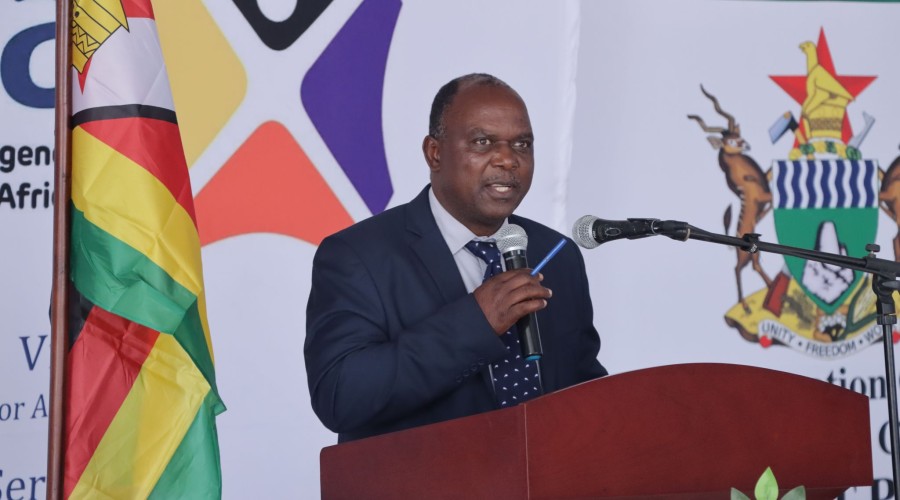
South Africa’s Deputy Minister of Communications and Digital Technologies, Mondli Gungubele, has called on Southern African Development Community (SADC) member states to optimize the use of radio frequency spectrum in a technology-neutral approach, ensuring connectivity reaches even the most remote and underserved communities.
Speaking at the SADC Preparatory Meeting for the World Radiocommunication Conference 2027 (WRC-27) in Johannesburg, Gungubele noted the critical role of spectrum efficiency in bridging the digital divide across the region.
Mr. Gungubele
stressed the need for SADC nations to present a unified front at both regional
and continental levels to effectively influence the WRC-27 agenda. "Our
collective voice will carry greater weight in shaping global decisions on
spectrum allocation and satellite orbital resources," he said. The
deputy minister also highlighted the importance of gender inclusivity in the
radiocommunications and ICT sectors, applauding the participation of women at
the meeting and urging for greater representation in leadership roles.

Representatives from Malawi Communications Regulatory Authority (MACRA)
The five-day
preparatory meeting featured key contributions from Malawi’s Communications
Regulatory Authority (MACRA), with presentations by Patrick Musiyapo and
Tryness Kantedza. Discussions centered on the strategic management of radio
frequency spectrum and satellite orbits—finite yet essential resources for
delivering communication services. The International Telecommunication Union
(ITU) oversees their global coordination through the World Radiocommunication
Conferences, held every four years to ensure equitable and efficient
utilization.
As SADC nations gear up for WRC-27, the focus remains on leveraging these resources to connect rural and marginalized populations, fostering socio-economic growth through universal digital access. The region’s commitment to collaborative and inclusive spectrum management could set a precedent for global policy, ensuring no community is left behind in the digital revolution.
By: Kanto Kai Okanta