African lawmakers adopt digital policy framework at Inaugural Parliamentary Summit
Date: 2025-07-14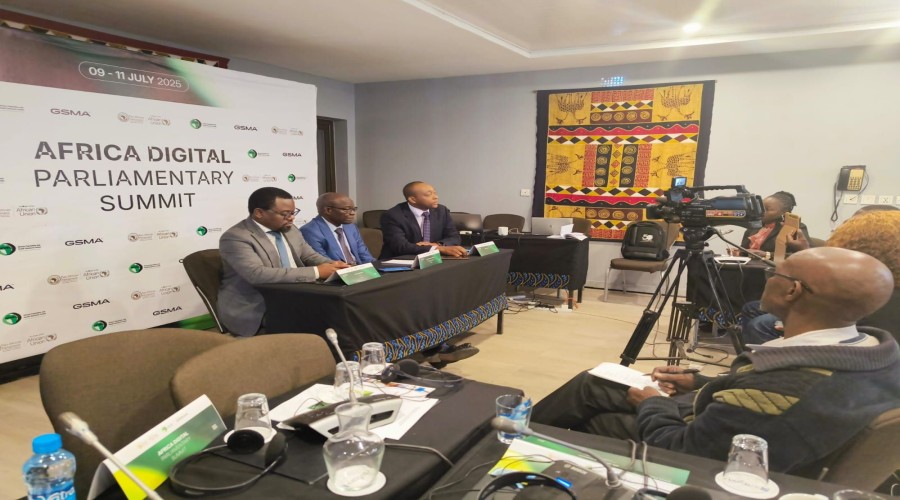
The first Africa Digital Parliamentary Summit has concluded with a historic commitment to shape the continent's technological future, as lawmakers from across the region endorsed the Lusaka Declaration to accelerate responsible digital transformation. Held from 9-11 July, the summit brought together members of the Pan-African Parliament (PAP) with technical experts to develop legislative frameworks for artificial intelligence, digital health, and smart manufacturing.

Zambian Minister of
Technology and Sciencem, Felix Mutati opened the summit, which featured
in-depth analysis of two groundbreaking reports on digital health and smart
manufacturing by the African Population Health Research Center (APHRC) and
GSMA. These studies, estimating Africa's digital health market potential at
$6.5 billion by 2030, will inform deliberations at the upcoming 5th Ordinary
Session of the Pan-African Parliament in Midrand.
"The Fourth Industrial
Revolution demands legislative foresight to harness opportunities while
safeguarding African interests," stated Hon. Behdja Mokrani,
Chairperson of PAP's Science and Technology Committee. The summit established
critical priorities including harmonized data governance, STEM education
investment, and cross-border digital health infrastructure – all aligned with
AU Agenda 2063.

Key outcomes include plans to
create 'Evidence-to-Policy' units that will provide lawmakers with ongoing
technical support, alongside regional forums to standardize digital
legislation. The Lusaka Declaration particularly emphasizes developing
Africa-centric AI regulations that balance innovation with ethical
considerations and human rights protections.
"This summit marks the
beginning of sustained collaboration to transform research into actionable
policies," said APHRC's Anthony Mveyange. With smart
manufacturing identified as a catalyst for industrial resilience, and digital
health as a pathway to universal coverage, African legislators now move to
translate these insights into laws that will shape the continent's
technological sovereignty for decades to come.
By: Kanto Kai Okanta