The
International Telecommunication Union (ITU) and UN Trade and Development
(UNCTAD) has unveiled a groundbreaking new initiative to address the world's
pressing digital divide. The Digital Infrastructure Investment Catalyser aims
to mobilize the estimated $1.6 trillion needed to close the global digital
infrastructure gap and ensure equitable access to digital technologies
worldwide.
The ambitious
program comes as nearly 2.7 billion people remain offline globally, with
developing nations facing particularly acute connectivity challenges. The
Catalyser will serve as a strategic platform to accelerate public and private
sector investments in critical digital infrastructure including broadband
networks, data centers, and digital services.
"Digital
connectivity has become as essential as electricity in today's world," said ITU Secretary-General Doreen Bogdan-Martin. "This
initiative represents our collective commitment to ensure no one is left behind
in the digital revolution."
The Catalyser
will focus on creating bankable projects, developing innovative financing
mechanisms, and fostering partnerships between governments, multilateral
development banks, and private investors. Particular attention will be given to
least developed countries where digital infrastructure gaps are most
pronounced.
UNCTAD
Secretary-General Rebeca Grynspan emphasized that "digital
transformation must be inclusive to be truly transformative. The Catalyser will
help countries bridge not just connectivity gaps, but also the skills,
governance and innovation gaps that prevent full digital participation."
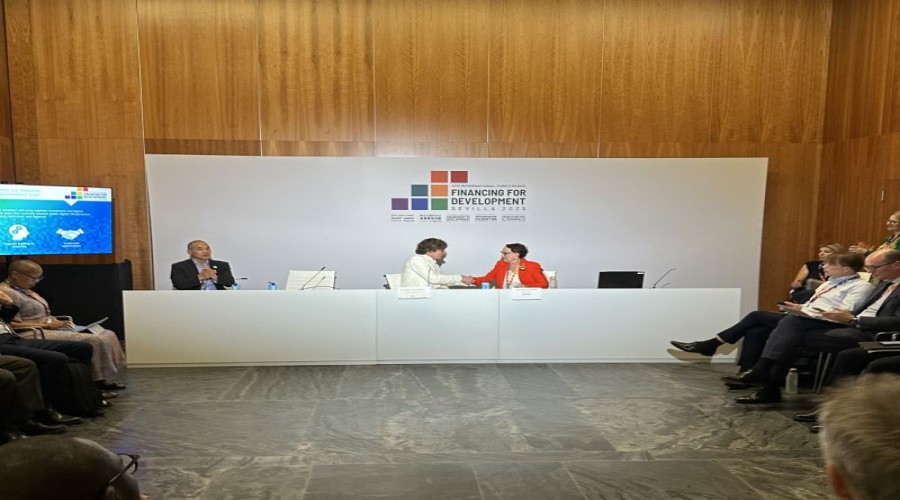
The launch
comes as the world races to achieve the UN's Sustainable Development Goals by
2030, with digital infrastructure recognized as a critical enabler for economic
growth, education, healthcare and climate action. Early supporters include
several development banks and major technology firms who have committed to
collaborate on the initiative.
The Digital
Infrastructure Investment Catalyser represents one of the most comprehensive
efforts to date to finance the digital foundations needed for inclusive global
development in the 21st century.
By: Nana Appiah Acquaye