The First
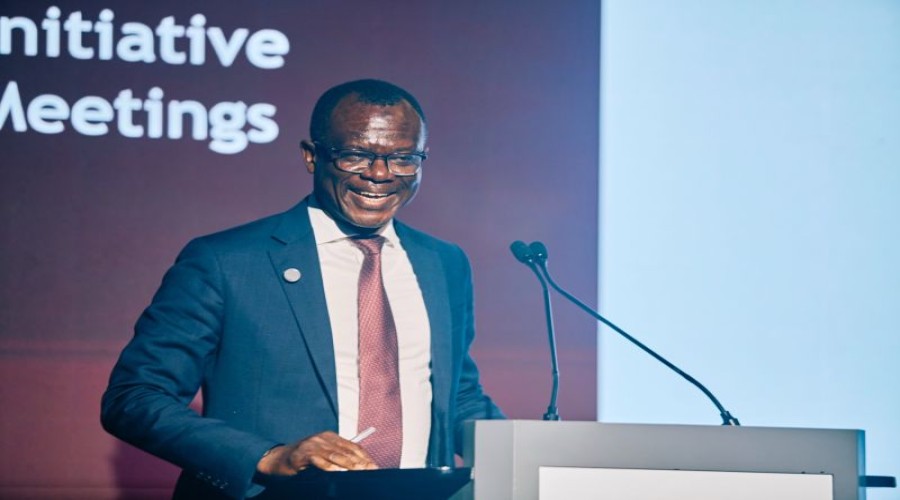
Deputy Governor of the Bank of Ghana, Dr. Zakari Mumuni has reiterated the
urgent need to strengthen cybersecurity across Africa's rapidly expanding
digital financial services sector.
In an address on
behalf of Governor Ernest Addison at the 14th AFI Leaders' Roundtable in Accra, Dr Mumuni revealed alarming statistics, including
over 21,000 attempted cyber fraud cases in Ghana's financial sector in 2022
alone. Across Africa, cybercrime costs economies more than $4 billion annually,
threatening the stability of financial systems and eroding hard-won public
trust. These challenges he added, have prompted Ghana to take proactive
measures, including the establishment of one of Africa's first comprehensive
cybersecurity directives for financial institutions in 2018.
Africa's digital financial revolution has
brought unprecedented opportunities for economic inclusion, with mobile money
platforms, digital credit solutions, and agency banking transforming access to
financial services. Ghana alone now boasts over 70 million mobile money
accounts, bringing millions of previously unbanked citizens into the formal
financial system. However, this remarkable progress comes with significant
risks, as cybercriminals increasingly target digital financial platforms.
The Bank of
Ghana has implemented robust systems to combat cyber threats, including its
Financial Industry Security Operations Centre (FINSOC), which enables real-time
monitoring and response across more than 40 financial institutions. Regular
cybersecurity assessments using international frameworks help identify
vulnerabilities, particularly in critical areas like access control and
incident response. These efforts are complemented by strong partnerships with
global institutions including INTERPOL, the World Bank, and the Africa
Cybersecurity Resource Centre.
The Deputy
Governor also emphasized that cybersecurity is a shared responsibility
requiring regional cooperation. He called for harmonized supervision, early
warning systems, and cross-border response mechanisms through platforms like
AFI and AfPI. Globally, he stressed the importance of African representation in
financial standard-setting bodies to ensure regulations reflect the continent's
unique context.
By: Nana Appiah Acquaye