Global leaders launch tech diplomacy forum at UNESCO to shape digital future
Date: 2025-06-23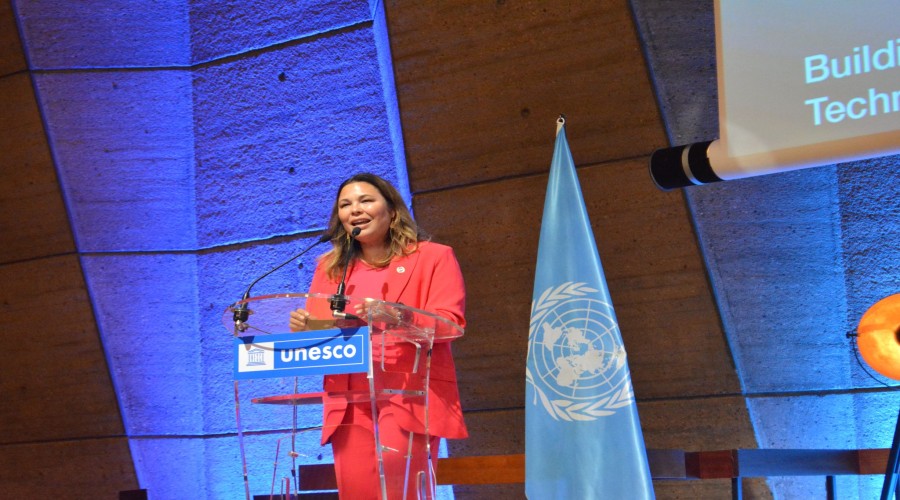
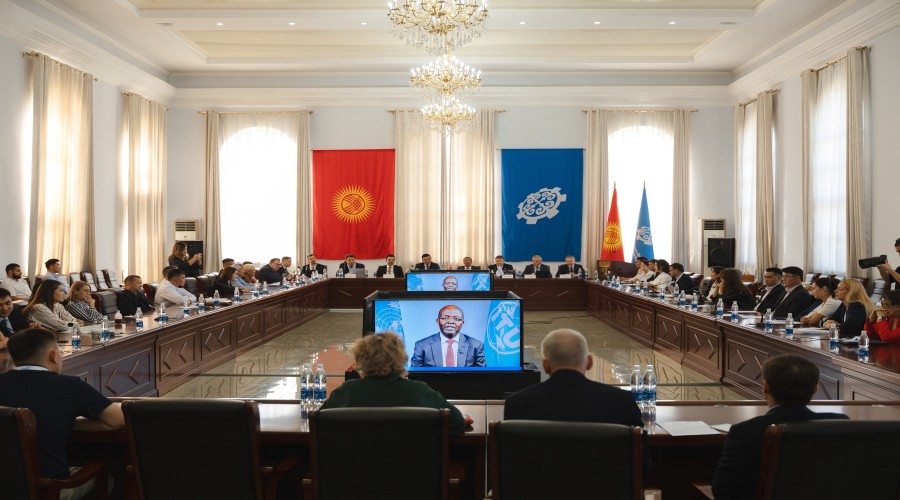
A new era of international cooperation dawned yesterday as the Tech Diplomacy Forum officially commenced at UNESCO headquarters, bringing together policymakers, technologists, and diplomats to address the complex intersection of technology and global governance. The gathering represents a concerted effort to establish frameworks for ethical technological development amid rising geopolitical tensions in the digital sphere.
UNESCO
Assistant Director-General Dr. Lidia Brito opened the forum by emphasizing the
urgent need for science diplomacy in an increasingly fragmented technological
landscape. "When AI systems and digital platforms transcend borders, our
governance mechanisms must evolve beyond traditional boundaries," she
stated, highlighting UNESCO's commitment to creating inclusive policy spaces
for emerging technologies.

The forum's
visionary founder, Ayumi Moore Aoki, presented a compelling case for
rebalancing global digital power structures. "We cannot allow
technological development to become a zero-sum game between superpowers,"
Aoki asserted. "Our mission is to ensure every nation regardless of
economic size can participate meaningfully in shaping our shared digital
destiny."
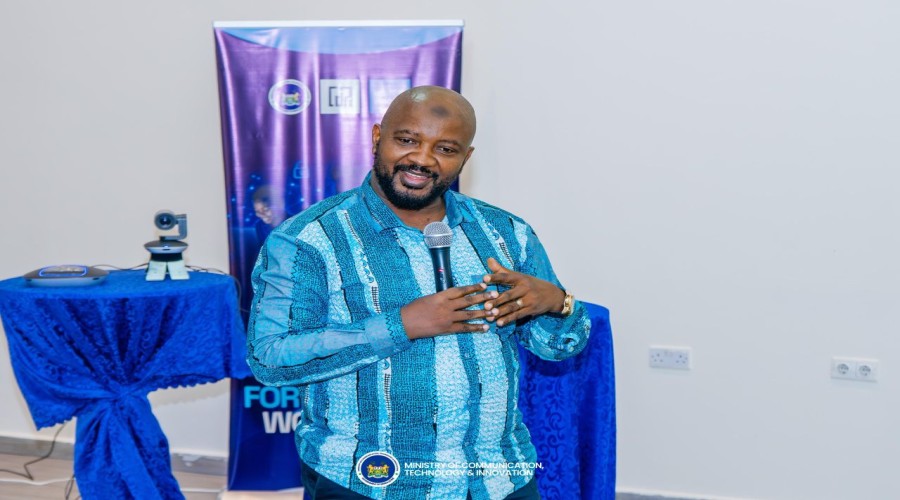
Kenya's Special Envoy for Technology H.E. Ambassador Philip Thigo brought crucial perspectives from the Global South, stressing that ethical AI development must incorporate diverse cultural contexts. "The algorithms governing lives worldwide cannot emerge from singular worldviews," Thigo cautioned during a panel examining AI's geopolitical implications. "Africa's 1.4 billion people deserve more than just a seat at the table—we must co-design the table itself."
Delegates from
over 60 countries engaged in intensive discussions addressing core challenges:
establishing trust in transnational data flows, preventing technological
monopolies, and creating accountability frameworks for AI systems. The
conversations revealed striking consensus on the need for multilateral
"digital peacekeeping" mechanisms as technology companies
increasingly wield influence comparable to nation-states.

The inaugural
forum has already yielded concrete next steps, including working groups focused
on three priority areas: developing intercultural AI ethics benchmarks,
creating dispute resolution protocols for cross-border tech conflicts, and
designing capacity-building programs for emerging digital economies. UNESCO
will serve as the institutional anchor for these ongoing efforts.
"This
marks a paradigm shift in how we approach technological governance," noted a European Union delegate. "For the first time,
we're not just reacting to technological disruptions—we're proactively building
the diplomatic tools to harness them for collective benefit."

As the forum
concluded, participants unanimously endorsed the "Paris Principles for
Tech Diplomacy" a foundational document affirming commitments to digital
sovereignty with solidarity, ethical by design innovation, and multistakeholder
cooperation. The principles will guide preparatory work for the forum's next
convening ahead of the UN Summit of the Future.
By: Kanto Kai Okanto