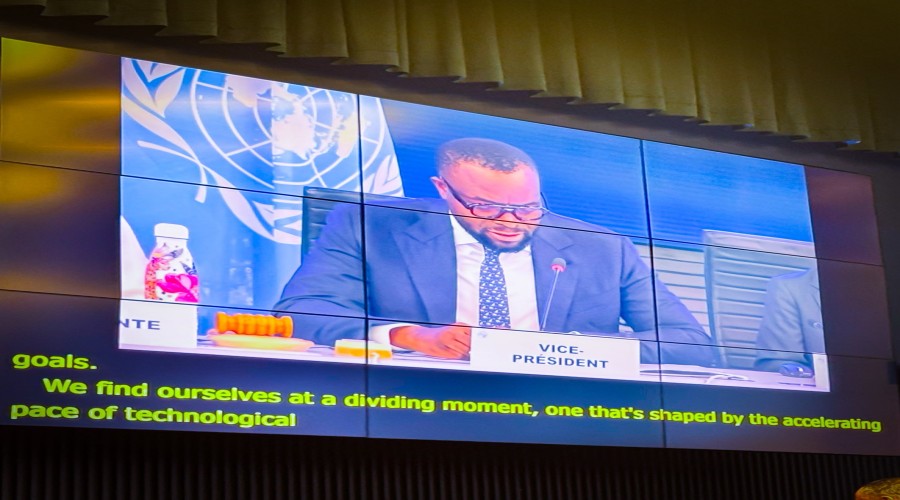
Nigeria's
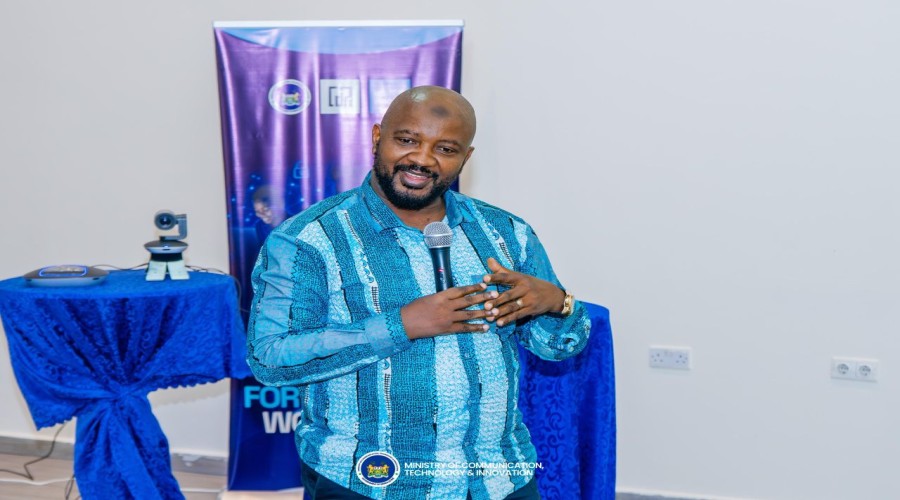
Minister of Communications, Innovation and Digital Economy, Dr. Bosun Tijani,
delivered a compelling vision for rebuilding citizen trust through technology
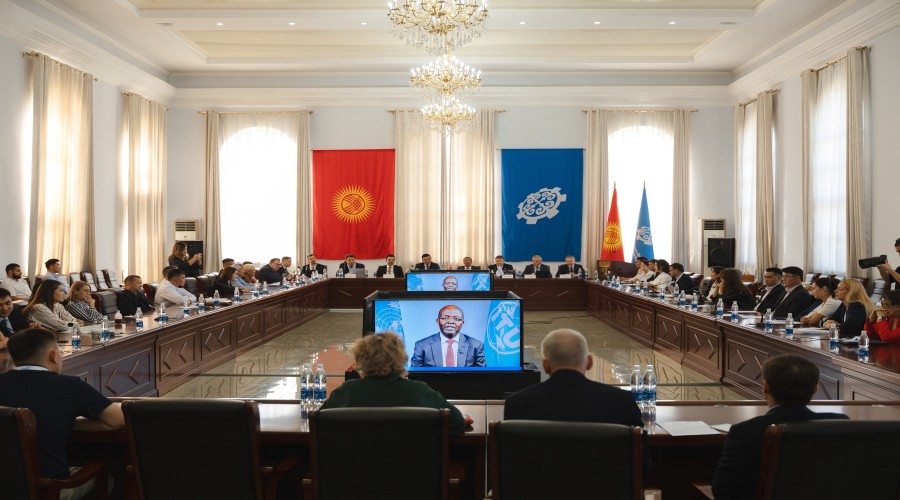
during his keynote address at the United Nations Open-Source Week 2025.
Speaking before global leaders and digital governance experts, Dr. Tijani
positioned Digital Public Infrastructure (DPI) as the cornerstone of responsive
21st century governance.
"Technology
must move beyond digitization to restoration – restoring faith in institutions
through services that meet citizens at their points of need," the Minister asserted, outlining Nigeria's three-pillar DPI
framework combining digital identity systems, inclusive financial technologies,
and startup-friendly innovation policies. This approach, he noted, transforms
disconnected bureaucratic processes into integrated platforms for
empowerment.
Dr. Tijani
detailed Nigeria's ongoing work to create interoperable systems where a single
digital identity unlocks access to healthcare, social services, and financial
inclusion particularly for marginalized communities. He highlighted the
government's collaboration with local tech builders to develop solutions
addressing Nigeria's unique challenges, from rural connectivity to transparent
social welfare distribution.
The address
resonated with developing nations facing similar digital transformation
journeys. "What we're building isn't just infrastructure – it's a new
social contract," the Communications Minister stressed, showcasing how
Nigeria's DPI model reduces bureaucratic friction while increasing
accountability. Examples included real-time tracking of agricultural subsidies
and AI-powered tools that simplify tax compliance for informal businesses. At the heart of Nigeria's DPI philosophy lies
a commitment to open standards and homegrown innovation. The Minister stressed
the importance of avoiding technological dependency by nurturing local talent
and adapting global best practices to African contexts. This approach has
already yielded results, with Nigerian fintech startups now leveraging public
digital infrastructure to reach previously unbanked populations.
By: Nana Appiah Acquaye